La rentrée est déjà bien installée et voici venu le temps des premiers bilans.
En 2020, on se souviendra de la reprise comme d’un entrelacs d’ombre et de lumière, d’espoirs et de déconvenues.
Si le secteur de l’Hospitality a été soumis à rude épreuve depuis 7 mois - les chiffres parlent d’eux-mêmes (40% de fermetures de restaurants prévues d’ici à fin 2021, TO hôteliers moyens oscillant entre 5 et 20% à Paris au lieu des 70.8% habituels, 30 000 emplois supplémentaires supprimés d’ici la fin de l’année…) - ses acteurs continuent à se battre avec rage et talent pour sauver mais surtout pour réinventer notre tourisme.
J’ai ainsi été agréablement surprise d’entendre de grands professionnels du secteur qui, sans minimiser l’impact de la crise, délivrent des messages positifs et remplis d’optimisme. Prenez Xavier Alberti, CEO du groupe d’hôtels Les Collectionneurs qui considère que l’extraordinaire catastrophe que nous venons de vivre nous invitera à une non moins extraordinaire transformation. Dans un message fort publié il y a quelques semaines, il nous rappelle avec justesse que « Derrière chaque menace, se cache une opportunité pour peu que nous soyons prêts collectivement à penser contre nos certitudes, contre nos réflexes, bref contre nous-mêmes ! ».
De son côté, Emmanuel Sauvage co-fondateur et Directeur Général du Groupe EVOK HOTELS a très rapidement mis en place des mesures exceptionnelles dans ses maisons afin de maintenir une activité raisonnable et tenir sur le long terme. « Nous devons réadapter notre manière de travailler, aller de l’avant, mettre de nouvelles actions en place afin de capter des clientèles plus locales et de nouveaux segments ».
Alors transformons ce monde inconnu qui se dessine en un atout à saisir. Faisons preuve de créativité, de force de proposition et osons l’audace !
Belle rentrée avec le CMH Paris !
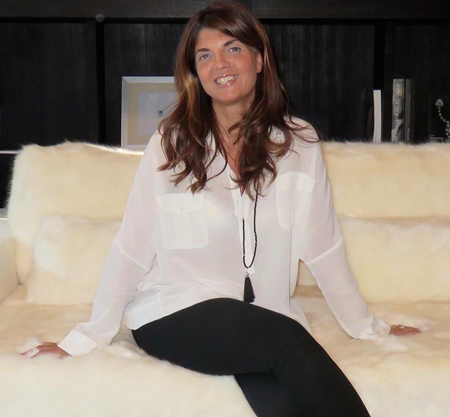
Catherine Seiler, Rédactrice en Chef